The Pizza and Candy Man
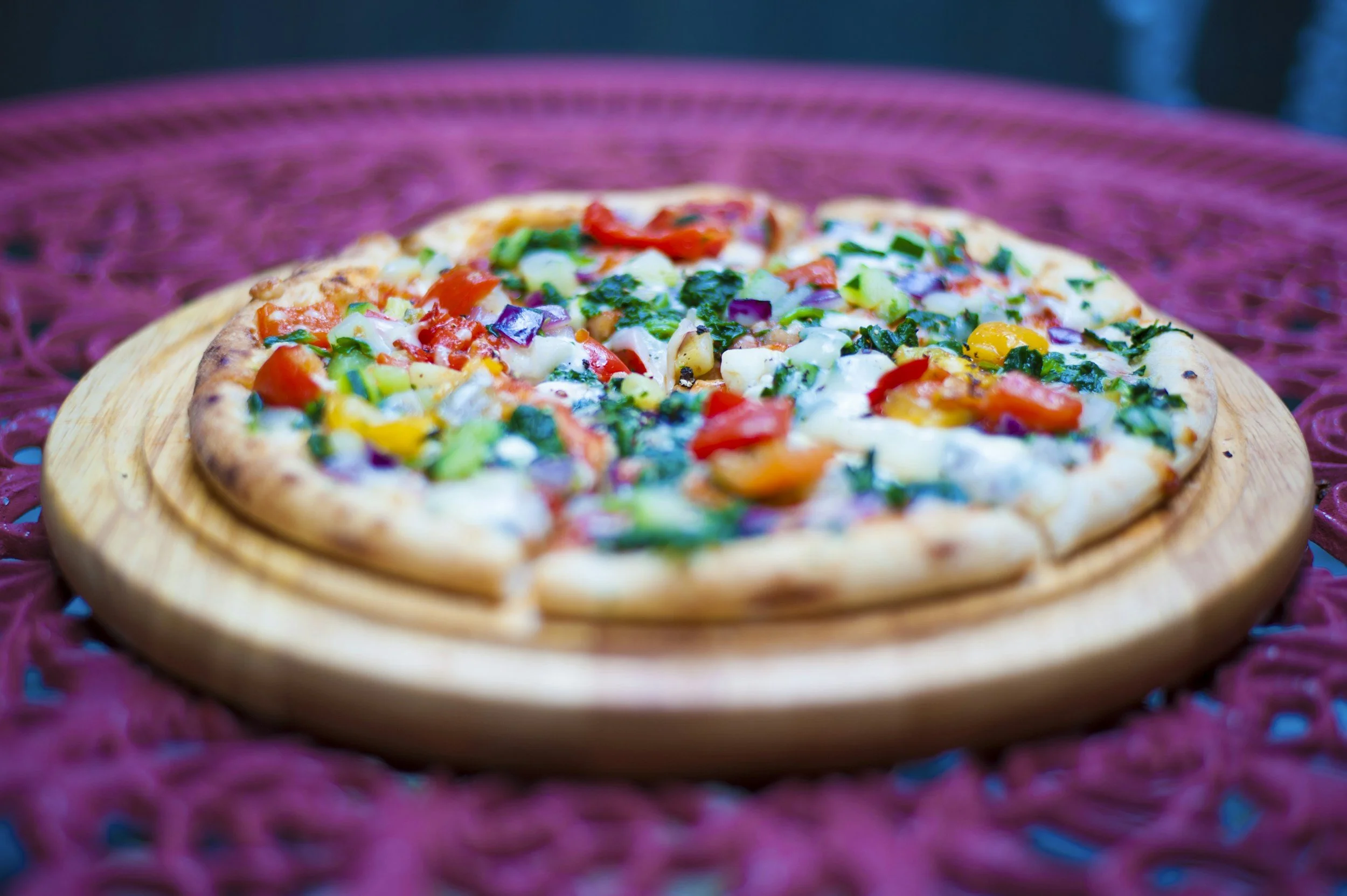
Metaphor for narcissistic relationship, recovery, exiled child parts, Internal Family Systems.
Clients sometimes ask if their childhood is the reason why they got into a relationship with a narcissist and stayed for 10. 20. 30 years. And their childhood often has some bearing on the situation.
If your parent was unable to parent themselves, you may have felt responsible for them. You may have supressed your needs and put their needs first, known as defensive caregiving. This is a survival tactic – the logic being if you prop up the parent – they can meet your needs.
You became an adult child, known in Transactional Analysis as the ‘little professor’. Your actual child self may have been exiled in Internal Family Systems terminology – there was no space for it beside the parent who is still a child. This form of parenting, by a parent who is still emotionally a toddler, is known as primitive parenting. You may have been on the receiving end of such parenting from parents who had addiction issues, had mental health problems, or were narcissistic.
You then enter adult life with exiled child parts, who lack nurture – they are emotionally starved.
Richard Schwartz, in the book, ‘You Are the One you’ve been Waiting For’ uses the allegory of The Magical Kitchen to describe what may happen next.
The pizza and candy (wo)man comes knocking. He knocks on your neighbour’s door, but the children there are fed, so he is turned away.
The pizza and candy (wo)man comes to your door. Your children are locked in the basement, starving. They cannot resist the prospect of being fed. They override any reservations that you – the wise adult – have and invite h in.
Over time the pizza and candy (wo)man becomes abusive. You may realise what he is offering is not good nourishment, but your young parts cannot contemplate going back to hunger, so you hold on to him.
In the story food is a metaphor for love/nurture. The initial pizza and candy phase relates to the first stage of engagement with a narcissist – love bombing. This phase can last years. It can make the narcissist’s partner feel like they have found their soulmate; they have found what they’ve always been looking for.
This then keeps them going through the discard phase, where gaslighting may also encourage the narcissist’s partner to blame themselves or question their own version of events. A narcissist will often accuse the partner of something they themselves are doing – like having an affair.
Then comes discard. And for many clients this is devastating, even though they have usually seen (as possibly ignored) some warning signs. And as the mask falls from the narcissist, there is often separation abuse because there is no longer something to gain from playing nice.
This is when some clients reach out to me, although some come earlier – and some later on.
Why I like the pizza and candy metaphor is that it explains in a non-judgmental way, why people hold on to the relationship, despite poor treatment. And how that need to hold on can be routed in childhood.
Coming out of these relationships, and for some people this is in their 50s, 60s, 70s and beyond, is the beginning of something. It is the beginning of nurturing those neglected child parts. Of being their own primary caregiver and doing this without any template. They don’t have an internalised nurturing parent who did this for them. This phase requires time and support to get to a place where entering and leaving relationships can be a choice and not a compulsion, because their primary needs are met by themselves.